UGC Ads for Jewelry Brands Made With AI Creators
UGC ads for jewelry brands are short creator style videos that show a piece on the body, in a gift box or in window light instead of a studio shot on white. GeneratedUGC builds them from your product page and reviews, keeps metal and stone wording to what your listing says, renders AI creator videos and tests up to 100 variants per product on Meta and TikTok.
Free text preview of hooks, angles and a script. Video ads render on paid plans.
Plans start at $299 a month. See pricing
Demi Fine Gold Pendant Necklace, 14k gold vermeil
$58.00, 184 reviews read
Gifting Wear-
Tarnish doubt
Will it turn green in the shower?
Six weeks of daily wear, here is the chain up close
-
Gift moment
Is it a good gift for her?
Opening the box the way she will on her birthday
-
Scale on body
How big is the pendant really?
Here it is on my collarbone next to a dime
Window light
Macro sparkle
Kitchen table
Gift unboxing
Mirror
Stacking
Metal, karat and stone wording comes from your own product page, so no hook calls vermeil solid gold.
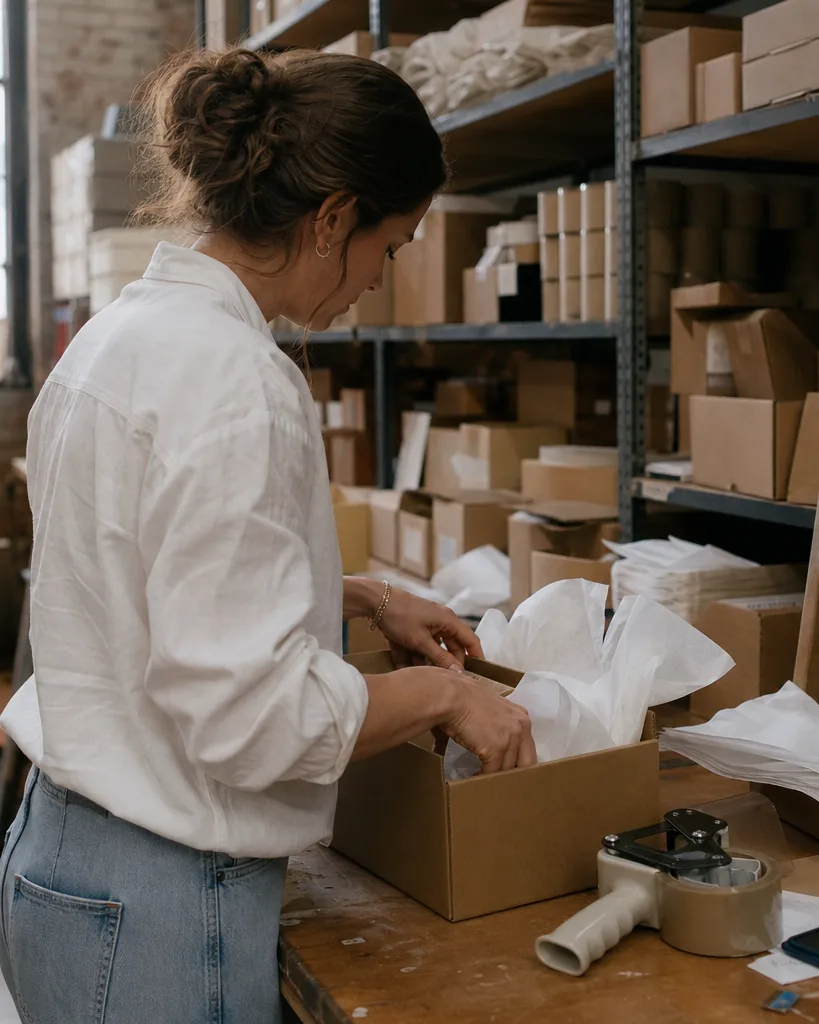
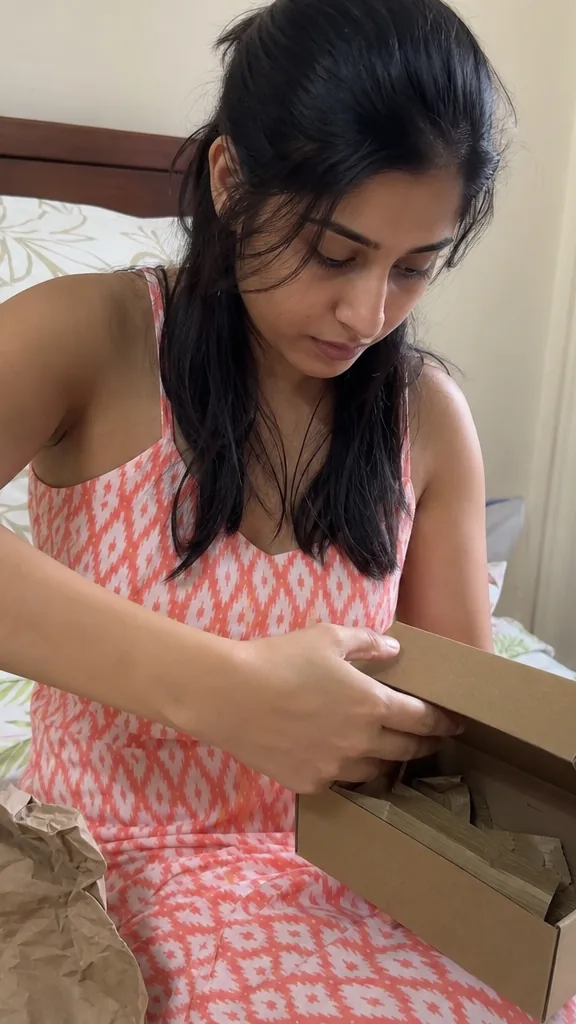
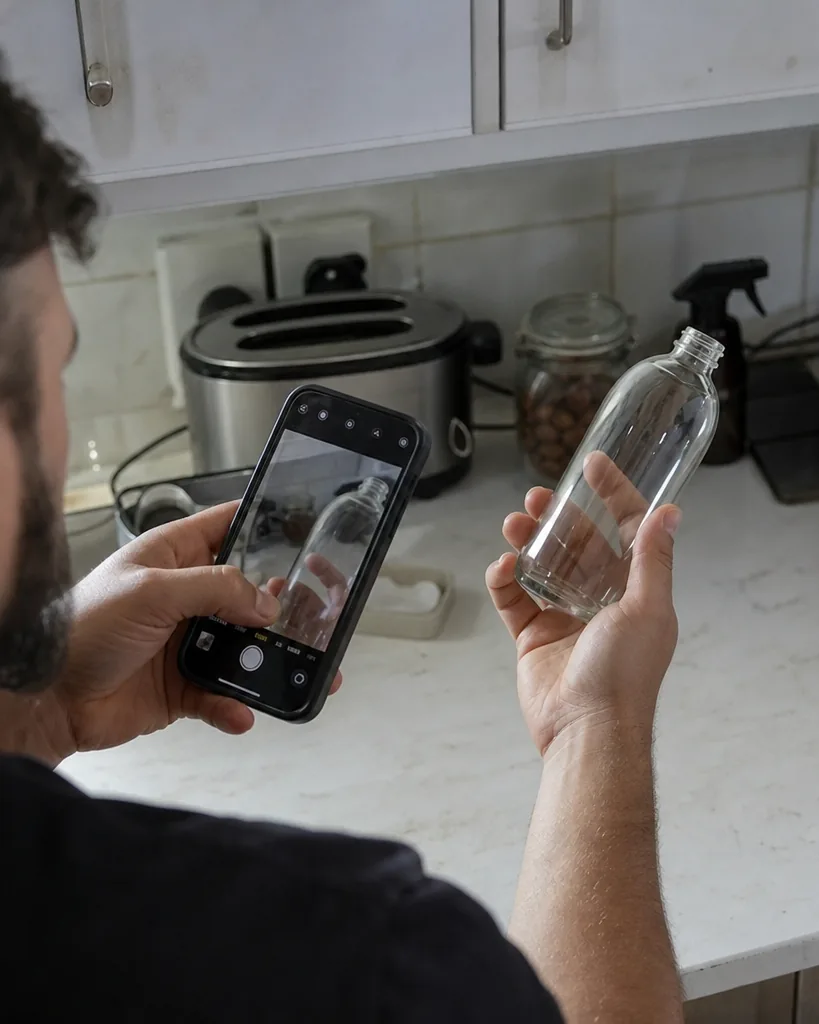
Jewelry angles that sell on a phone screen
A jewelry shopper needs more than a polished product image. The opening has to make the finish, size or gifting moment clear on a small screen. Build each angle around a buyer question rather than asking every ad to explain the whole collection.
Macro sparkle
A close up in window light shows the finish and scale of a pendant, ring or earring. Keep the piece visible as the angle changes so the shopper can read the surface. Use your product photos as the reference, and keep stone descriptions tied to the listing.
Gift reveal
Open the box from the recipient's point of view, with the tissue, pouch and piece appearing in order. Test birthday and anniversary openings alongside Valentine's Day, Mother's Day and holiday gifting. Match the packaging to what your store actually ships so the reveal sets the right expectation.
Daily wear test
Shower, gym and weeks of wear are useful questions to address, but tarnish answers come only from your own care copy. Present the care instructions as product information. When the ad needs evidence of extended wear, use a real customer clip rather than an AI creator claiming personal experience.
Stacking and layering
Show how several pieces sit together, including chain lengths and the space between pendants. Pairings can raise order value by giving a shopper a reason to add a complementary piece. Keep each item identifiable so the viewer knows which necklace the ad features and which pieces complete the stack.
Scale on body
Show the pendant on a collarbone or next to a coin so shoppers can picture its size. "Smaller than I thought" is a common reason jewelry comes back, so answer it before the order. Treat the AI view as approximate, and use exact dimensions from your listing and real wear footage when size needs proof.
Objection first
Start with the doubts in your reviews, such as turns green, clasp too small or chain too thin. Answer each with the relevant metal description, fastening detail or care instruction from your page. Keep separate hooks for separate concerns so results show which question matters to buyers.
How a jewelry brand runs it before each gifting season
Start testing 4 to 6 weeks before a gifting peak so winners are known before CPMs rise in Q4. Give each occasion its own opening while keeping the product details consistent. This leaves time to approve wording and learn which angle earns purchases before the busiest period.
-
01
Paste the product page
Import a piece from Shopify or any public store. We read the title, price, photos, metal and stone details, care copy and reviews. Check that the page describes the exact piece you want to advertise. A vermeil pendant and a solid gold pendant need different wording even when the photos look similar.
-
02
Turn reviews into angles
Reviews become gifting, wear, size and quality angles, with 20 hooks per angle. Keep the buyer's underlying question visible as you review the suggestions. A gift buyer wants to picture the recipient opening the box, while someone shopping for daily wear wants care details and a clear view of the chain.
-
03
Approve hooks and scripts
Metal, karat, plating and stone wording comes from your listing, and nothing renders until you approve it. Read the opening and the full script together. Remove any line that turns a care instruction into a durability promise or makes an AI presenter sound like a customer describing months of personal wear.
-
04
Render, launch and keep winners
AI creators present the approved scripts in window light, at a kitchen table or in a mirror, in vertical 9:16. Ads launch to Meta and TikTok with a daily cap. Kill rules pause variants above your target CPA. Compare results per hook, angle and creator, then carry the strongest openings into the gifting peak.
Product photography, hired creators and AI UGC compared
Choose the format for the decision you need to make. Catalog images establish what the piece is, real wear clips provide physical proof, and AI UGC helps find the message worth producing again. The formats serve different jobs within the same jewelry campaign.
| Studio product photography | Hired UGC creators | GeneratedUGC | |
|---|---|---|---|
| Best for | Product page and catalog images | Real wear proof on real people | Finding which hook and angle sells |
| Turnaround | Planning, shoot and retouching | Shipping, filming and revisions | Scripts in minutes, videos the same day |
| Samples needed | Pieces on set | One per creator, often kept | None, product page is enough |
| Variants for testing | Edits from the photographed setups | Videos within the agreed creator brief | Up to 100 tagged variants per product |
| Shows exact piece on a real person | No, on white | Yes | Approximate, presented from your photos |
| Testing and decisions | Not built in | Manual uploads and spreadsheets | Launch to Meta and TikTok, CPA and ROAS per variant |
Where AI creators fit a jewelry brand
The FTC Guides for the Jewelry, Precious Metals, and Pewter Industries (16 CFR Part 23) cover how karat gold, gold filled, gold plated, vermeil and lab grown stones may be described. Every metal and stone word in a hook comes from your own listing, never invented. The FTC rule on fake reviews and testimonials, in force since October 2024, bans testimonials from people who did not use the product. An AI creator never says they have worn the piece for months. Keep real customer wear clips for proof.
AI creators present many hooks, including gift reveal, scale and layering, in many settings so you learn which opening stops the scroll before paying creators or shipping samples. They help test the message while real footage establishes the exact appearance of a piece on a person. Read how results guide the next batch on ad creative testing, browse UGC ad examples, or compare another visual category on UGC ads for clothing brands.
Starter costs $299 a month with 3 product imports and 100 assembled variants, which suits a brand with a small core collection. Growth costs $799 a month with 15 imports, which suits brands that launch new pieces every month or run many SKUs into Q4. Choose around the products you need to import and compare the plans on the pricing page.
What you get
- Hooks mined from your own reviews
- Metal and stone wording from your product page
- Window light, gift box and mirror settings
- Meta and TikTok launch with daily caps
- Results per hook, angle and creator
Frequently asked questions
Do UGC ads work for jewelry brands?
Yes, UGC ads help jewelry shoppers assess size, finish and gifting context before buying. A close view of a clasp or a pendant on a collarbone answers a different question from a studio photo. Test several openings against purchases, and keep real customer wear clips for claims that need evidence of actual use.
What type of UGC works best for jewelry?
Macro sparkle, gift reveals, stacking and clear views of scale are useful jewelry UGC angles to test. Start with the uncertainty in your reviews rather than assuming unboxing wins for every piece. A gifting hook can focus on the box opening, while a daily wear hook explains the care instructions on your product page.
Can AI UGC be used for jewelry ads?
Yes, AI UGC can present jewelry hooks when metal and stone wording comes from your listing and the presenter makes no personal wear claims. Use it to compare gifting, layering and size messages. Keep real customer footage for wear proof, and treat the AI presentation of a piece on the body as approximate.
How much do UGC ads for jewelry brands cost?
Rates vary widely, but hired creators commonly quote a few hundred dollars per video, with more for paid usage rights and whitelisting. GeneratedUGC Starter costs $299 a month for 3 product imports and 100 assembled variants. Growth costs $799 a month for 15 products, suited to a collection with frequent launches.
When should a jewelry brand start testing ads for the holidays?
Start testing 4 to 6 weeks before the gifting peak so winners are known before Q4 CPMs climb. Use that period to approve material wording, compare gift reveal and wear angles, and review CPA and ROAS per variant. Carry the strongest openings forward with daily caps and kill rules in place.
Can I see hooks for my jewelry product before paying?
Yes, paste your product link in the tool at the top of this page to see angles, hooks and a full script in under a minute. Review how the suggestions handle gifting, scale and care before deciding whether to render and test. Metal and stone wording comes from your own product page.
Keep exploring
UGC Ads for Clothing Brands and Fashion Brands Using AI UGC
UGC ads for clothing brands made from your product page and reviews. Try-on, fit and fabric hooks, AI creator...
UGC Ads for Skincare Brands Using AI Skincare UGC
UGC ads for skincare brands, made from your product page and reviews. AI creators film routine and texture vid...
AI UGC Tool for Shopify Brands
AI UGC tool for Shopify and DTC brands. Import a product page, get hooks from your reviews, AI creator videos...
Ad Creative Testing That Runs Itself
Ad creative testing for Meta and TikTok. Launch many UGC variants, read CTR, CPA and ROAS per ad, pause losers...
See the hooks we would write for your product
Paste a product link. You get angles, hooks and a full script in under a minute, then decide whether to render and test the videos.