I stopped buying 4 serums after this one
Winner
9:16
Problem and solution
V-01
Creator Maya
- CTR
- 2.9%
- CPA
- $18
- ROAS
- 3.4x
Use cases
GeneratedUGC turns one product link into hooks, angles, scripts and AI creator videos, assembles up to hundreds of ad variants, launches them to Meta and TikTok in your own ad account and pauses the ones that lose. Below you'll see how five kinds of teams run that loop week after week.


A growth team at a direct to consumer brand lives on creative volume. The ad that carried last month's revenue fades in two to four weeks, and the platforms reward accounts that keep feeding them new angles. Filming that volume with human creators means briefs, shipping product, waiting one to three weeks and paying for every video, including the ones that never spend a dollar.
Example scenario
A skincare brand launches a new vitamin C serum. On Monday the growth lead imports the product page, keeps 12 of the 20 hooks, picks four creators and renders 96 variants across the problem fixer, honest review and unboxing angles. By Thursday the leaderboard shows which hook and creator pairs hold attention past three seconds and which ones convert. The losing half is paused automatically, and Friday's iteration builds the next 40 variants from the two strongest hooks.
Hydra serum, test 03
Meta, TikTok Sample dataI stopped buying 4 serums after this one
Creator Maya

My dermatologist asked what changed
Creator Jon
Unboxing the one my sister keeps stealing
Creator Priya
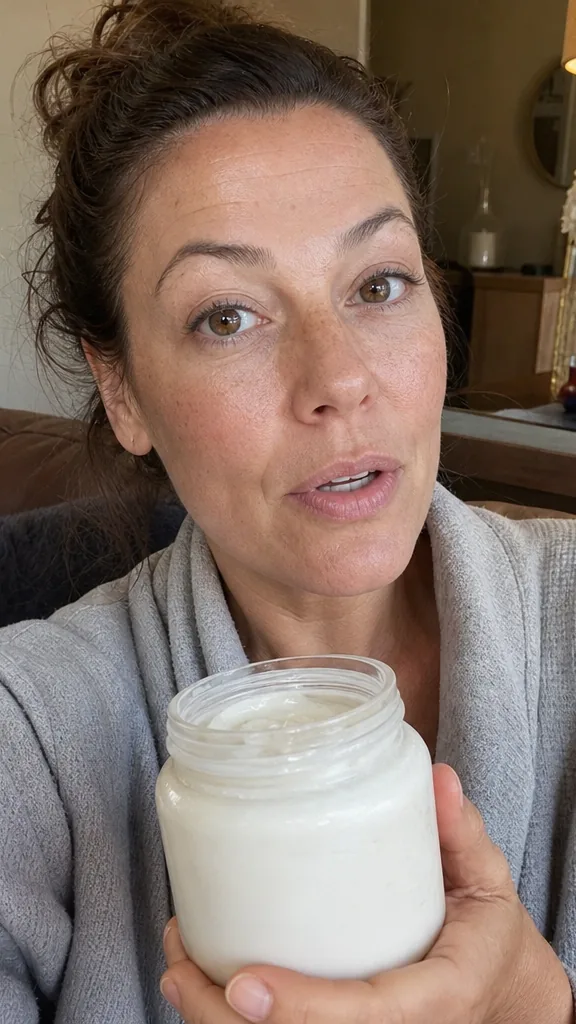
Honest review after 30 days, no filter
Creator Lena
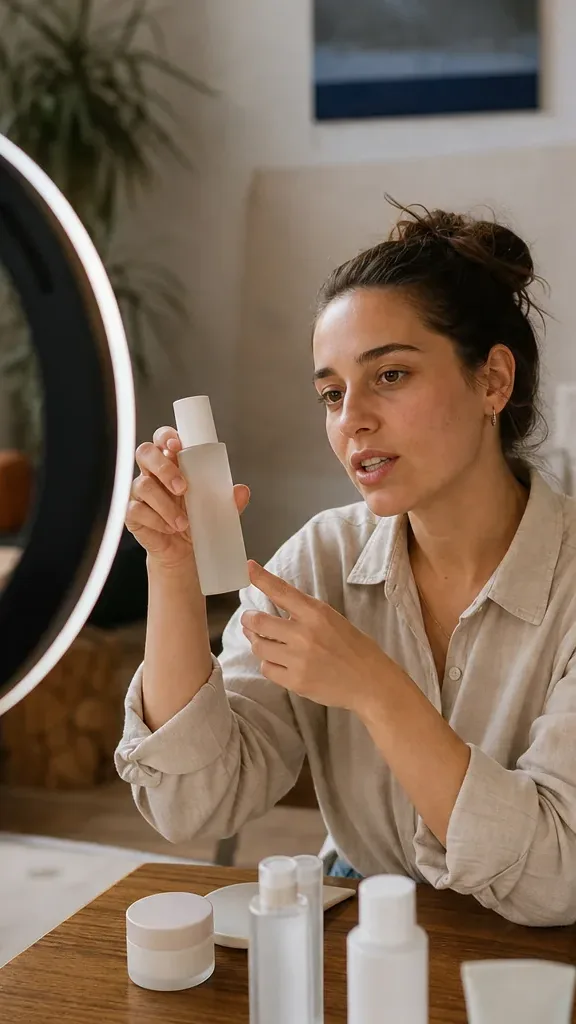
Three things nobody tells you about retinol
Creator Nora
POV you finally like your skin at 8am
Creator Ava
The variant board as it looks in the product. Every card is one ad with its hook, angle, creator and live metrics.
Shopify stores
Small Shopify stores rarely have a creative team. What they do have is a product page with photos, a price, a description and reviews written by real buyers. GeneratedUGC starts there.
Step 1 of 3, import

Stoneware pour over set
$64, 3 colorways
8 images, 214 reviews read
Step 2 of 3, what buyers say
Step 3 of 3, hooks written from reviews
An owner who runs the store, the inbox and the ad account at the same time doesn't have hours to write scripts or chase creators. Most small stores end up running the same two product photos as ads for months, then wonder why costs climb. Hiring creators for one product is a few hundred dollars per video before anyone knows whether the angle works.
Any public product page works, and Shopify stores also get their reviews pulled in automatically. The objections buyers write in reviews become the scripts, so the ads answer the exact doubts people have before they buy. Starter covers 3 product imports, 150 seconds of AI creator video and 100 assembled variants every month, which is enough to keep one or two hero products in constant rotation.
Example scenario
A two person store sells a stoneware pour over set. The owner imports the product, and the review mining surfaces the dripping kettle complaint that shows up again and again. That becomes the problem fixer angle. Three AI creators film one body clip each, the composer builds 60 variants in 9:16 and 4:5, and the owner exports them as an MP4 zip with captions for a first manual test. When the account is connected, the next round launches straight to Meta with a daily cap the owner chose.
Variants tested
Kept running
Best ROAS
| Hook | Creator | CPA | State |
|---|---|---|---|
| The cup my barista friend asked about | Maya | $14 | Winner |
| Stop buying beans that taste burnt | Jon | $19 | Winner |
| Unboxing a coffee subscription | Priya | $41 | Paused |
An agency sells results, but most of the week goes to production logistics. Each client needs new hooks, every account needs its own test structure, and every Friday someone builds a slide deck from screenshots to explain what worked.
The Agency plan gives you 25 client workspaces and 20 seats, each workspace with its own products, creators, ad accounts and kill rules. Strategists see only the clients they're assigned to, roles decide who can launch or change budget caps, and every change lands in the audit log. The weekly leaderboard per client turns into a white label report in one click, with cost per winning creative right at the top.
Example scenario
A six person agency runs paid social for a coffee roaster, a sock brand and a pet food company. Monday is import day for new products, Tuesday the strategists approve hooks per client, and the renders are queued overnight. From Wednesday the engine syncs results every six hours. On Friday each client gets a report with the kept ads, the paused ones and the next iteration already scheduled, without anyone opening a spreadsheet.
Media buyers know the routine. Export results, sort by CPA, decide which ads have spent enough to judge, pause the bad ones, then ask someone for new versions of the winner. It works, until there are eighty ads across four accounts and a fatigued winner is quietly burning budget over the weekend.
GeneratedUGC writes those decisions down as rules. You set the minimum spend and impressions before any verdict, then the thresholds for CTR, CPA and ROAS. The engine syncs insights every six hours, pauses losers only after they've had a fair chance, and ranks winners by the metric you care about. One click on a winner, or a scheduled iteration on Growth and Agency, builds fresh variants from its hook and angle with new creators and openings.
Example scenario
A freelance buyer manages two apparel brands. A hoodie ad that ran at a 2.8x ROAS for three weeks slips under 1.5x. The rule pauses it on Saturday morning after it crosses the spend threshold, and the buyer's Monday starts with 20 new variants built on the same hook, with different creators and first lines, already queued for review.
Kill rules, Nordline hoodie test
Leaderboard by ROAS
Synced 2 hours agoApp and subscription brands
App and subscription brands don't care about a cheap click. They care about the cost of a trial start or a first paid month. GeneratedUGC reads results against the conversion event you already optimize for in your ad account.
Subscription products are abstract on camera. A meal planner or a budgeting app needs a person showing the before and after, and generic stock footage reads like an ad from the first frame. Testing enough versions to find the one that gets trials at a sane cost takes more creators than most teams can brief.
Paste the landing page or app store listing, and the engine writes scripts around the moment the product changes someone's day. AI creators show the routine, captions carry the hook for people watching without sound, and the end card points to your trial offer. Results are read against your own conversion event, so a hook that wins clicks but loses trials gets paused like any other loser.
Example scenario
A meal planning app tests 48 variants across four angles. The before and after angle wins clicks, but the problem fixer hook gets trials for less. The engine keeps both, pauses the made me buy it angle after it passes the spend threshold, and the next iteration builds 24 variants around the cheapest trial hook.
Every plan includes AI creator video, the variant composer, launching to Meta and TikTok and automatic kill rules. Limits are counted per billing period and shown in your panel.
| Team | Usual plan | What they lean on most |
|---|---|---|
| Solo founder or small Shopify store | Starter | Review mining, 100 variants a month, export or launch to one Meta and one TikTok account |
| DTC growth team | Growth | 15 products, 400 variants, competitor ad research and scheduled iterations |
| App or subscription brand | Growth | Kill rules on cost per trial, iterations of the cheapest hook |
| Freelance media buyer | Starter or Growth | Rules instead of manual pausing, leaderboards across accounts |
| Performance agency | Agency | 25 client workspaces, roles, audit log, white label reports, invoice billing |
Handing creative testing to software is a trust decision. Here's exactly what the engine can and can't do.
Tests run inside your own Meta and TikTok ad accounts with budget caps you set. We never hold, resell or mark up ad spend.
Ad accounts connect through the platforms' own sign-in. Tokens are encrypted, scoped to what the test needs, and you can disconnect in one click.
Scripts and rendered videos are yours to run as ads, with commercial use included. Download them any time as MP4 with SRT captions.
Every AI creator is a fictional adult. No real person's face or voice is cloned, so nobody turns up in your ad who didn't agree to it.
Each plan lists seconds of creator video and variants per month. The panel shows what you used. Nothing auto-buys more.
Owners, editors and viewers per workspace. On Agency, SSO with Google or Microsoft and a log of who launched, paused or edited what.
Paste a product link on the home page and read real hooks and a full script written for it. Video rendering and launching run on a paid plan.